

Video selling guides
Use these guides to make sales videos that feel personal, clear and easy to send. This section covers the small practical choices that help reps record with confidence and keep messages useful for prospects and clients.
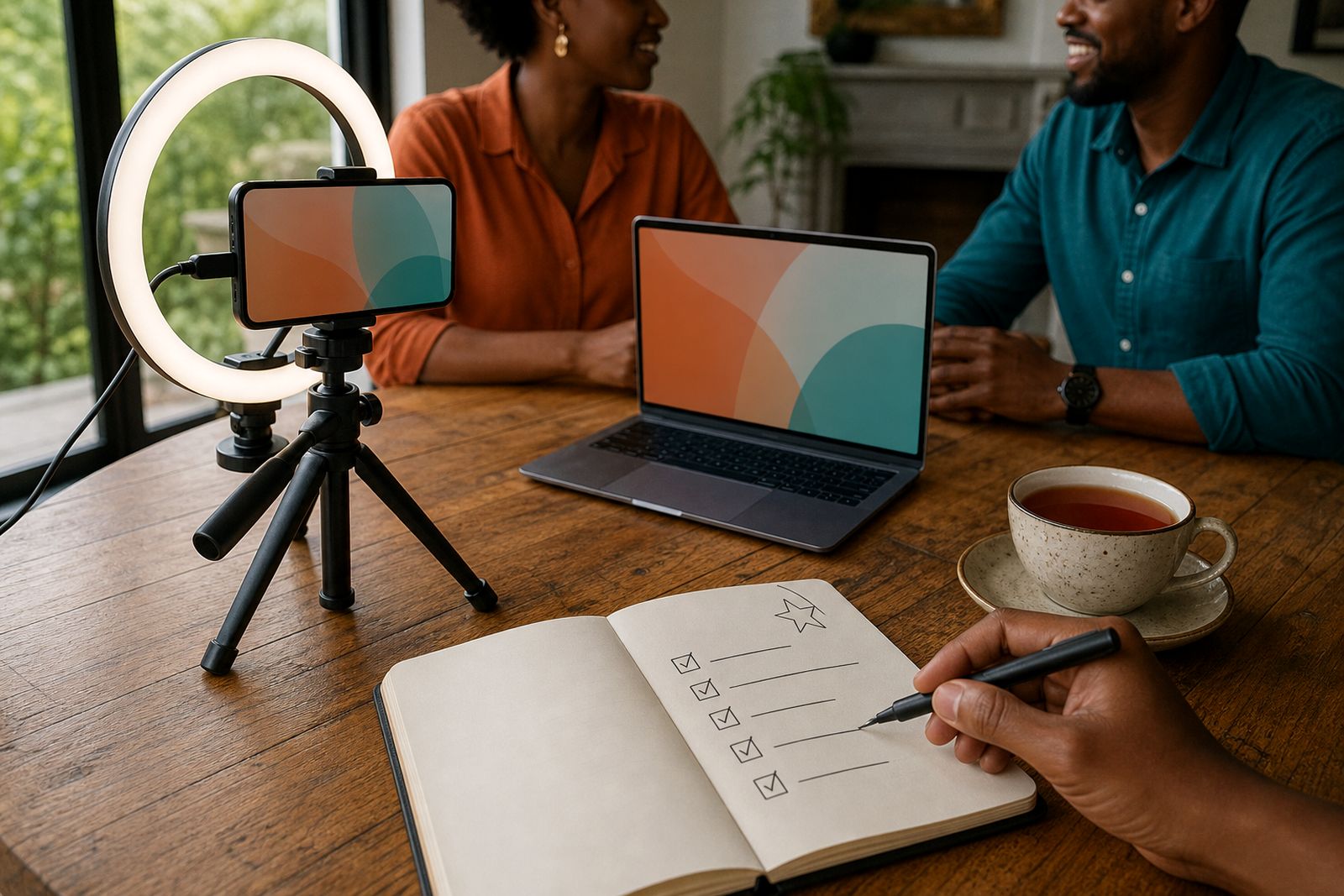
What you will find in these guides
This guides section is for sales teams that want better day to day video habits, not flashy production. The focus is on simple recording choices that help a rep look prepared, sound clear and get to the point quickly. That matters whether you are sending a first prospecting video from Bryanston, following up after a meeting in Durban, or welcoming a new client in Cape Town.
Each guide deals with one part of the process so reps are not overloaded. Managers can use the section during rollout, and individual reps can use it as a quick refresher before recording. The aim is to help people feel natural on camera while still keeping a good sales structure.
- Short scripting for prospecting, follow-up and onboarding videos
- Recording tips for screen-plus-camera messages
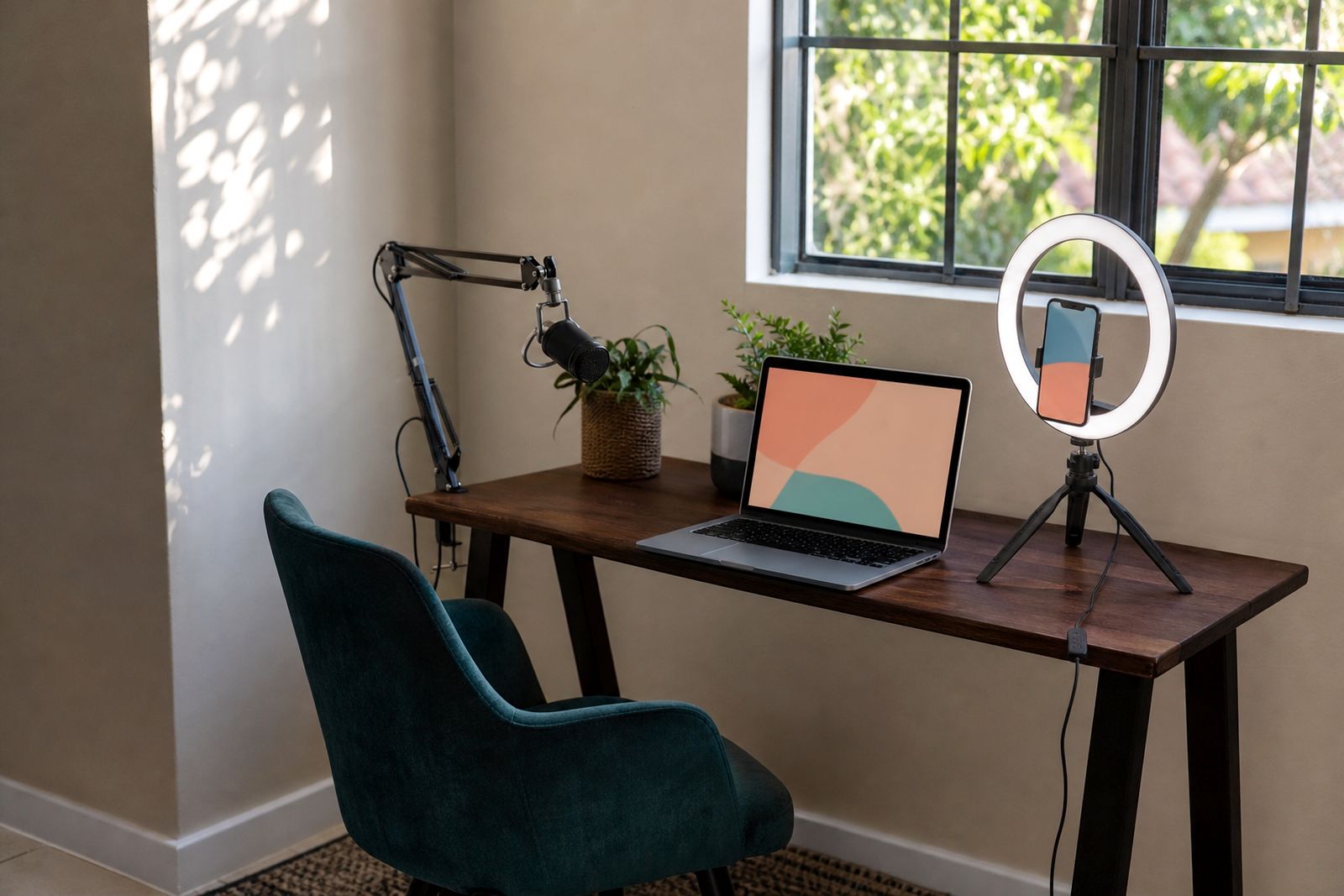
- Lighting and sound advice for normal offices, home workspaces and shared sales floors
- Practical ways to improve consistency across a team
How to choose the right guide first
If your team is new to personalised video, start with the guide that fixes the biggest everyday problem. For some teams that is not knowing what to say. For others it is poor sound, harsh backlight from a window, or videos that run too long. Pick the guide that removes the first block, then build from there.
A simple way to choose is to match the guide to the rep's current struggle:
- Start with writing a short video script if reps freeze on camera, ramble, or forget the call to action.
- Start with lighting and sound where you work if videos feel dim, echo badly, or have office noise in the background.
- Use both guides together if the team can record already but needs better quality and more consistent messaging.
This works well during onboarding because it keeps training practical and measurable, reps usually improve faster when one habit changes at a time.
Short script or better setup: which matters more
Teams often ask whether they should work on message structure first or recording quality first. In most cases message structure wins, because a clear useful video can still work from a normal office if the sound is decent. But if the viewer cannot hear the rep properly, even the best script loses value.
- Choose script first when videos are too long, unclear, generic or missing a reason for the recipient to reply.
- Choose setup first when the room is noisy, the rep is badly backlit, or the microphone picks up every chair movement.
- Fix both at once for managers rolling out team standards, especially where several reps share the same recording area.
For South African teams this can change by location. A quiet private office in Sandton may need only a tighter script. A busy branch showroom or open plan space may need more attention to sound first. During load-shedding, natural light can help if it falls in front of the rep rather than behind them.
Practical recording habits that help most reps
Good sales videos do not need a big setup. They need repeatable habits. Reps who look into the camera, keep the message short and mention something specific about the recipient usually come across better than reps who try to sound polished. A normal voice and a steady pace are enough.
Before pressing record, ask three quick questions: who is this for, what is the one point, and what should happen next. That small check stops many weak videos before they are sent.
- Keep prospecting videos brief and focused on one reason for reaching out
- Use the recipient's context, such as a recent enquiry, meeting, quote or handover stage
- Record at eye level where possible rather than looking down at a laptop
- Check the background for clutter, movement and bright windows
- End with one clear next step instead of several options
Making the guides work for a whole sales team
Managers get the best results when these guides are used as part of a simple team routine. One week may focus on scripting, the next on sound and framing. Reps can then compare recordings, not to judge each other, but to spot what is easy to improve. A team standard does not mean every video must sound the same. It means the basics are reliable.
This matters for B2B teams with longer sales cycles and for property and motor teams where timing and personal follow-up are often important. When a rep records from a branch, a vehicle floor, a home office or a client's site the guide should still be usable in real conditions. Practical beats perfect every time.
On-site onboarding in Gauteng can support these habits, but the guides are also useful for teams working across South Africa online, from Johannesburg to Gqeberha and beyond.
Use these guides alongside templates and coaching
The guides help with technique, while templates help with structure at different stages of the sales process. If a rep knows how to sound clear and look natural but still struggles with opening lines or follow-up wording, move from the guides into the template pages. If the issue is confidence on camera, pair the guides with coaching.
A good order is usually this:
- Read a guide to fix one practical issue
- Choose a matching template for the sales stage
- Record a few live messages and review what feels awkward
- Use coaching to improve delivery and confidence over time
That approach keeps training grounded in actual selling work rather than theory. Small steady improvements are easier to keep, and they help reps send more personal videos without overthinking every recording.

What our Video Sales Software customers say
Verified Google reviews
Questions we get asked
Are these guides for beginners or experienced sales reps?
Both. New reps can use them to build basic habits, while experienced reps can use them to tighten scripts, improve sound and make videos more consistent.
Do the guides focus on produced marketing videos?
No. They are for everyday sales videos recorded by reps for prospecting, follow-up, thank-you and onboarding messages.
Should a manager send these guides to the whole team at once?
It is usually better to introduce one guide at a time, then let reps practise that skill before moving to the next topic.
Tell us about the job
Send sizes, materials and where you are through our contact form, and we will come back with the practical options.
Open the contact form